

In a very severe, genetic form of microcephaly, stem cells in the brain fail to divide, according to a new Columbia University Medical Center study that may provide important clues to understanding how the Zika virus affects the developing brain.

Category: Stem Cell Research
| Stem Cell Research | July 25, 2016 06:09 PM |
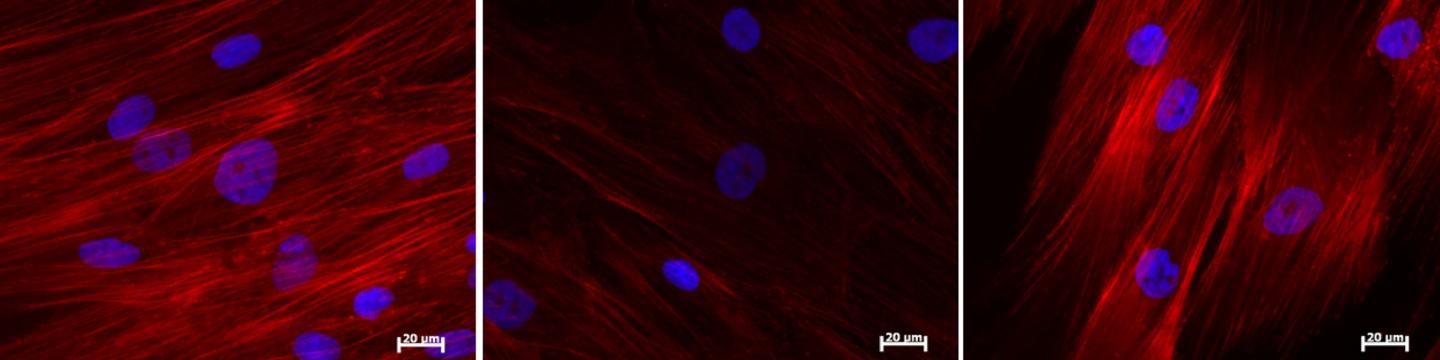
The images above show, from left to right, functioning stem cells, stem cells no longer functioning due to Hutchinson-Gilford Progeria syndrome (HGPS), and stem cells previously not functioning The fountain of youth may reside in an embryonic stem cell gene named Nanog.
| Full article | 0 Comments | 7899 views |
| Stem Cell Research | July 21, 2016 05:12 PM |
A key gene enables the repair of injured muscle throughout life. This is the finding of a study in mice led by researchers at NYU Langone Medical Center and the University of Colorado at Boulder, and published online July 21 in Cell Reports.
| Full article | 0 Comments | 9064 views |
| Stem Cell Research | July 13, 2016 05:56 PM |
Scientists have discovered a new method of creating human stem cells which could solve the big problem of the large-scale production needed to fully realise the potential of these remarkable cells for understanding and treating disease.
| Full article | 0 Comments | 8898 views |
| Stem Cell Research | June 16, 2016 04:49 PM |
A new procedure developed at Massachusetts General Hospital (MGH) may revolutionize the culturing of adult stem cells. In their report that has been published online prior to its appearance in the August 6 issue of Cell Stem Cell, the team describes generating and expanding airway stem cells from the sorts of tissue samples collected during routine treatment of lung disorders. The overall approach appears applicable to several other tissue types, including skin and the linings of the gastrointestinal and reproductive tracts.
| Full article | 0 Comments | 8632 views |
| Stem Cell Research | June 16, 2016 04:49 PM |
Bethesda, MD (June 16, 2016) -- Basic and translational research paves the way for breakthroughs that can ultimately change patient care. Three new studies from Cellular and Molecular Gastroenterology and Hepatology (CMGH) -- AGA's basic and translational open-access journal -- provide a glimpse into future treatment strategies for stomach ulcers, inflammatory bowel disease and alcoholic liver disease. Please find summaries below. To speak with the journal authors, please email media@gastro.org.
| Full article | 0 Comments | 8116 views |
| Stem Cell Research | June 2, 2016 06:38 PM |
Scientists at Oxford University have discovered the oldest known population of plant root stem cells in a 320 million-year-old fossil.
| Full article | 0 Comments | 9395 views |
| Stem Cell Research | May 10, 2016 04:17 PM |
Induced pluripotent stem cells hold promise for regenerative medicine because they can, in theory, turn into any type of tissue and because they are made from a patient's own adult cells, guaranteeing compatibility. However, the technique that turns adult cells into these iPS cells is not foolproof; after reverting to their pluripotent state, these cells don't always correctly differentiate back into adult cells.
| Full article | 0 Comments | 8916 views |
| Stem Cell Research | April 4, 2016 07:41 PM |
A new stem cell therapy significantly improved long-term health outcomes in patients with severe and end-stage heart failure in a study presented at the American College of Cardiology's 65th Annual Scientific Session.
| Full article | 0 Comments | 9918 views |
| Stem Cell Research | March 21, 2016 08:05 PM |
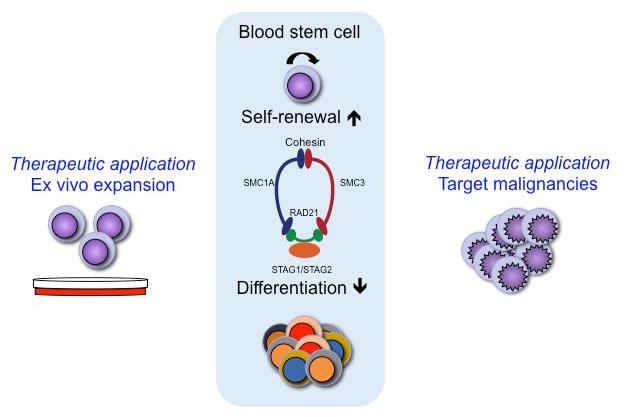
The authors investigated the effects of 15,000 genes on the balance between self-renewal and differentiation of the human blood stem cell (blue box). An important element in getting blood stem cells to multiply outside the body is to understand which of the approximately 20 000 genes in the human body control their growth. A research team at Lund University in Sweden has studied close to 15 000 of these genes alongside each other. The researchers have succeeded in identifying four key genes which, together, govern the growth and multiplication of the stem cells. The study is now being published in the journal Cell Reports.
| Full article | 0 Comments | 8046 views |
| Stem Cell Research | March 15, 2016 06:34 PM |
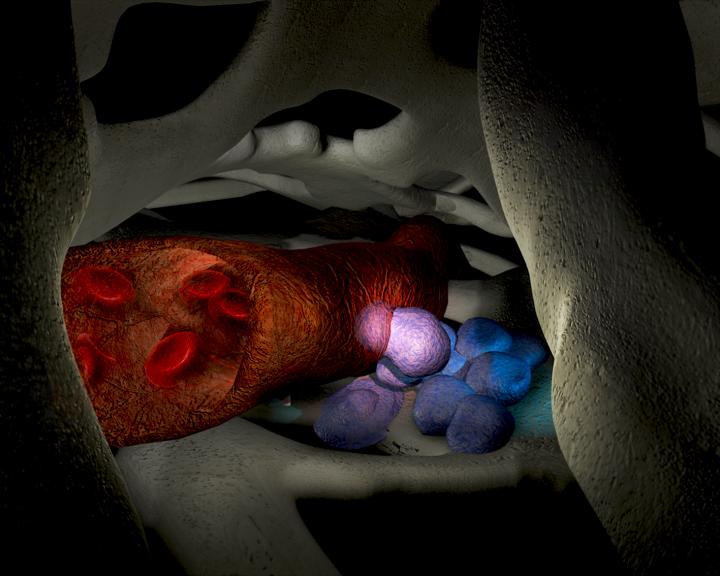
A hematopoietic stem cell (HSC) is being mobilized from the bone marrow microenvironment into a blood vessel. Australian scientists have developed a new method for harvesting stem cells, which is less invasive and reduces side effects for donors.
| Full article | 0 Comments | 7433 views |
| Stem Cell Research | March 3, 2016 06:13 PM |
Scientists at Michigan State University have discovered a new kind of stem cell, one that could lead to advances in regenerative medicine as well as offer new ways to study birth defects and other reproductive problems.
| Full article | 0 Comments | 6704 views |
| Stem Cell Research | February 16, 2016 05:20 PM |
A team of researchers led by scientists at St. Jude Children's Research Hospital is looking at ways to improve how blood-forming stem cells can be used for therapeutic interventions. The work has uncovered a group of genes that regulate how hematopoietic stem cells start to grow and thrive in mice. The function of many of these genes was previously unknown. Reconstitution of a robust blood-forming system is essential for recovery from many catastrophic diseases as well as from chemotherapy treatments. A report on this study appears today in the Journal of Experimental Medicine.
| Full article | 0 Comments | 6935 views |
| Stem Cell Research | February 16, 2016 05:20 PM |
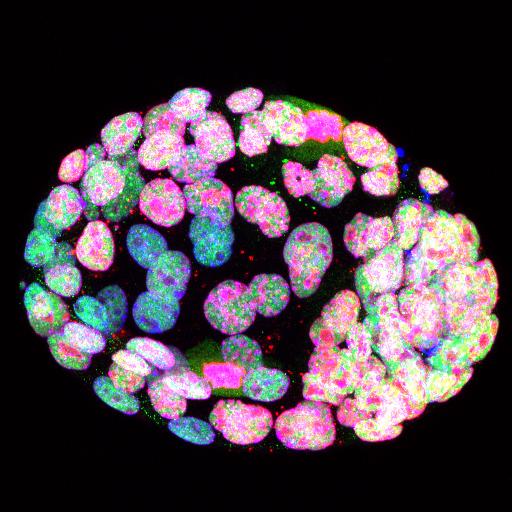
This is a dormant mouse blastocyst. After a gestation period of around ten months, fawns are born in early summer - when the weather is warm and food is plentiful for the mother. Six months would actually be enough for the embryo's development, but then offspring from mating in the later portion of summer would be born in winter. Therefore, nature prolongs the gestation period by a hormone-regulated pause in the development of the early embryos. Many animal species use this process, called diapause, to adjust their reproduction to environmental conditions.
| Full article | 0 Comments | 6543 views |
| Stem Cell Research | February 1, 2016 04:08 PM |
Human stem cells that are capable of becoming any other kind of cell in the body have previously only been acquired and cultivated with difficulty. A team of European scientists including researchers from the University of Bath has now developed a method to detect such pluripotent cells in a cell culture and preserve them in the laboratory.
| Full article | 0 Comments | 7073 views |
| Stem Cell Research | February 1, 2016 04:08 PM |
A team of Rochester scientists has, for the first time, identified and isolated a stem cell population capable of skull formation and craniofacial bone repair in mice--achieving an important step toward using stem cells for bone reconstruction of the face and head in the future, according to a new paper in Nature Communications.
| Full article | 0 Comments | 7340 views |
| Stem Cell Research | January 25, 2016 04:50 PM |
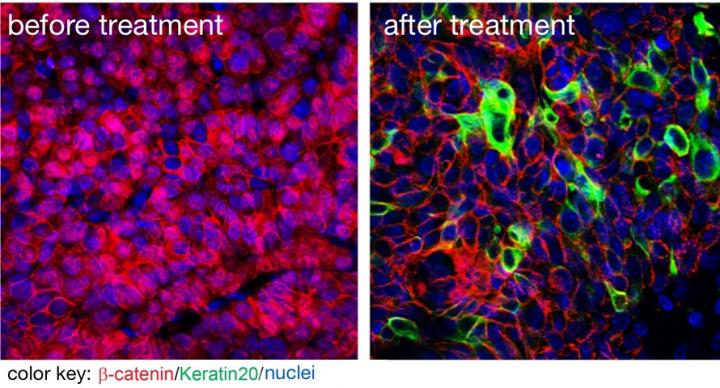
A new inhibitor suppresses tumor growth and cancer stem cells. The image on the left shows beta catenin (red) in cell nuclei indicating that these are cancer stem cells. All tumor cells are the offspring of a single, aberrant cell, but they are not all alike. Only a few retain the capacity of the original cell to create an entire tumor. Such cancer stem cells can migrate to other tissues and become fatal metastases. To fully cure a patient's cancer, it is crucial to find and eliminate all of these cells because any that escape can regenerate the tumor and trigger its spread through the body.
| Full article | 0 Comments | 8134 views |
| Stem Cell Research | December 9, 2015 06:53 PM |
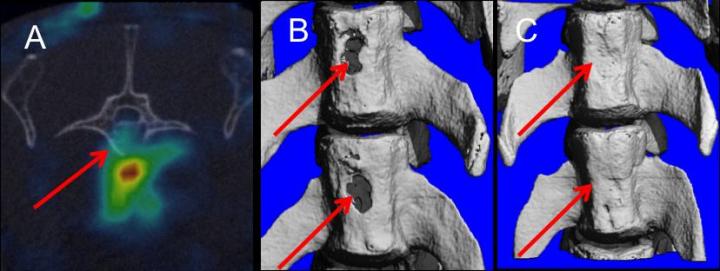
A- Labeled stem cells target spinal bone fracture; B- Two spinal bone fractures; C- Complete healing of spinal bone fractures eight weeks post treatment with stem cells and PTH. A combination of adult stem cells and parathyroid hormone significantly increased new bone formation in laboratory animals and may speed the healing process for human bone fractures caused by osteoporosis, a new study shows.
| Full article | 0 Comments | 9108 views |
| Stem Cell Research | November 30, 2015 07:03 PM |
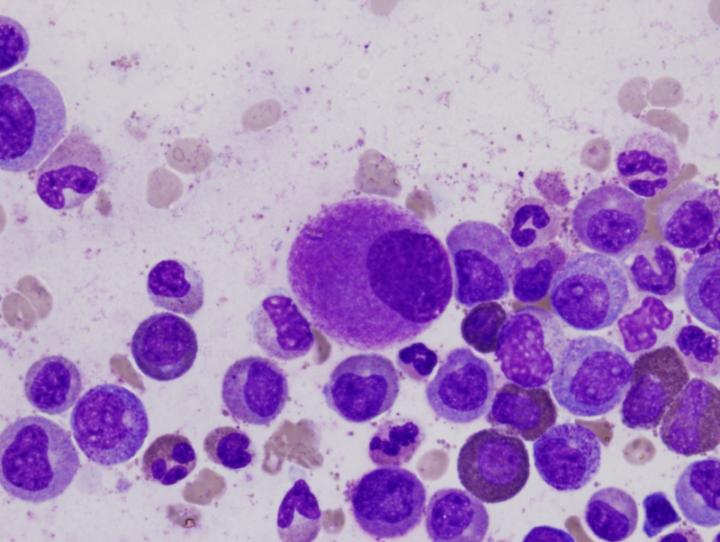
An oversized bone marrow cell, typical of chronic myeloid leukemia, is shown. An international team of scientists, headed by researchers at UC San Diego School of Medicine and UC San Diego Moores Cancer Center, report that decreases in a specific group of proteins trigger changes in the cancer microenvironment that accelerate growth and development of therapy-resistant cancer stem cells (CSCs).
| Full article | 0 Comments | 9730 views |
| Stem Cell Research | November 26, 2015 07:05 PM |
Stem cells that have been specifically developed for use as clinical therapies are fit for use in patients, an independent study of their genetic make-up suggests.
| Full article | 0 Comments | 9884 views |
| Stem Cell Research | November 12, 2015 07:51 PM |
Researchers from the Morgridge Institute for Research and the Murdoch Children's Research Institute (MCRI) in Australia have devised a way to dramatically cut the time involved in reprogramming and genetically correcting stem cells, an important step to making future therapies possible.
| Full article | 0 Comments | 10833 views |
| Stem Cell Research | November 10, 2015 06:01 PM |
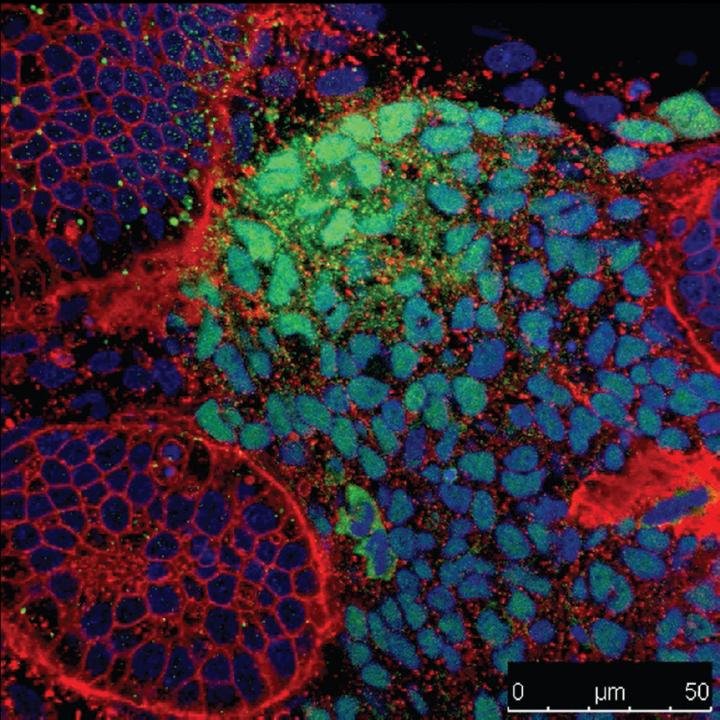
In this micrograph, embryonic rat kidney cell aggregates are colored red. Differentiated human cells incorporated into these aggregates are colored green. Blue marks DNA in all cells. Human pluripotent stem cells (hPSC) can become any type of cell in the adult body, offering great potential in disease modeling, drug discovery and creating replacement cells for conditions ranging from cardiovascular to Alzheimer's disease.
| Full article | 0 Comments | 8993 views |
| Stem Cell Research | November 9, 2015 06:23 PM |
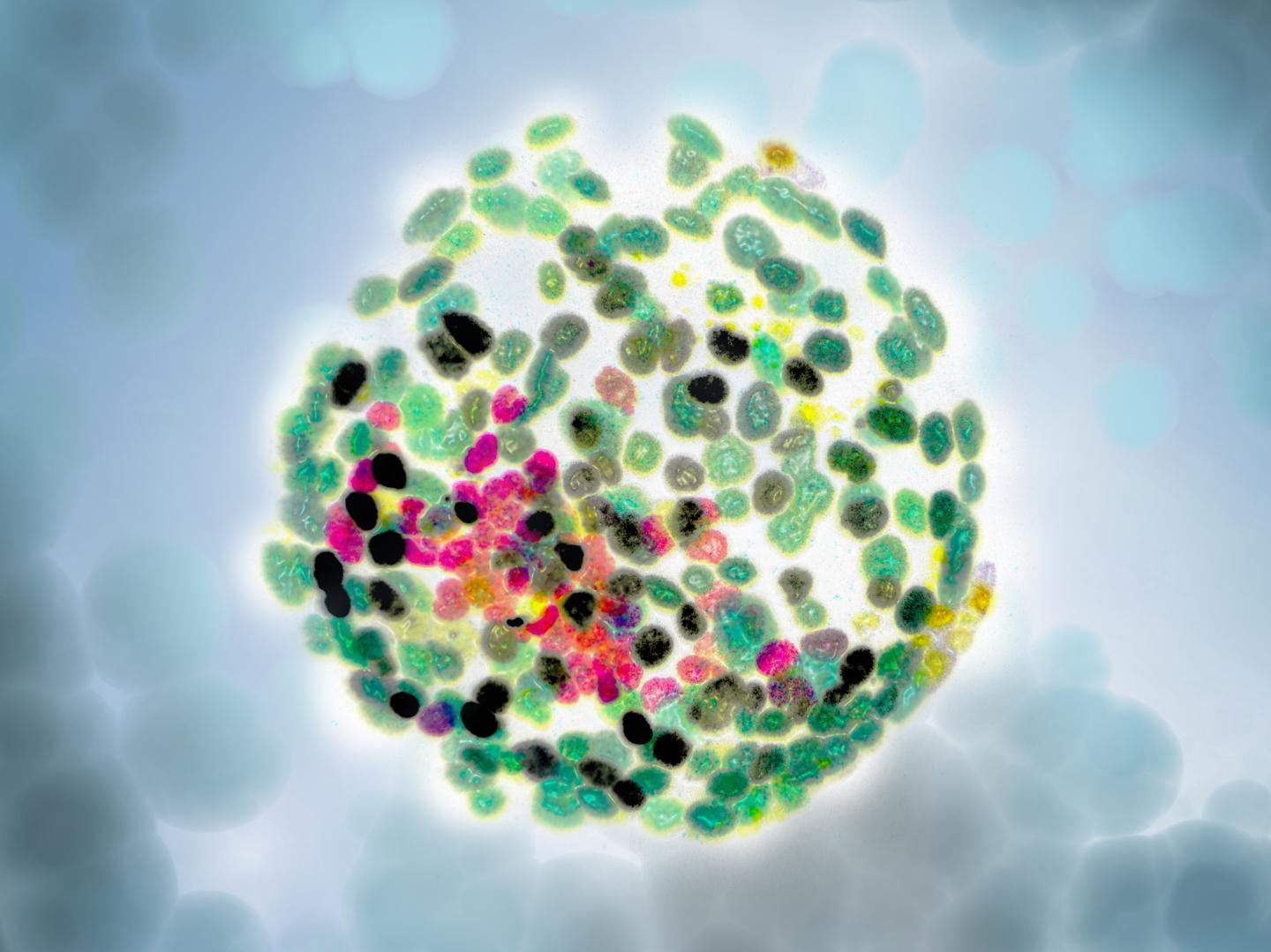
Blastocysts in this study were immunostained to show pluripotency factor NANOG localised to the inner cell mass, primitive endoderm specifier GATA6, outer trophectoderm marker CDX2 and nuclei. Researchers at EMBL's European Bioinformatics Institute (EMBL-EBI) and the Wellcome Trust- Medical Research Council Cambridge Stem Cell Institute at the University of Cambridge have identified factors that spark the formation of pluripotent cells. Their findings, published in Developmental Cell, shed light on human embryonic development and help research into cell reprogramming and assisted conception.
| Full article | 0 Comments | 6407 views |
| Stem Cell Research | November 3, 2015 06:42 PM |
Stem cells have two important capabilities: they can develop into a wide range of cell types and simultaneously renew themselves, creating fresh stem cells. Using a model of the blood forming (hematopoietic) system, researchers at the Technical University of Munich (TUM) have now been able to precisely determine, which signaling pathways play an essential role in the self-renewal of blood stem cells. A particularly decisive role in this process is the interactive communication with surrounding tissue cells in the bone marrow.
| Full article | 0 Comments | 6874 views |
| Stem Cell Research | October 29, 2015 06:00 PM |
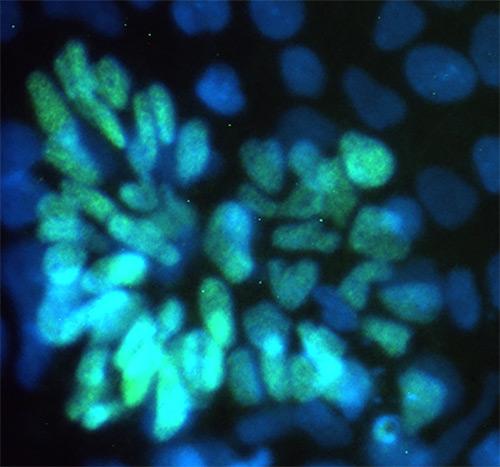
HSCI researchers made artificial stem cells, or induced pluripotent stem cells (iPSCs), from embryonic stem cells, then turned them into the neural cells pictured here. Harvard Stem Cell Institute (HSCI) researchers at Massachusetts General Hospital and Harvard Medical School have found new evidence suggesting some human induced pluripotent stem cells are the 'functional equivalent' of human embryonic stem cells, a finding that may begin to settle a long running argument.
| Full article | 0 Comments | 6819 views |
| Stem Cell Research | October 6, 2015 03:15 PM |
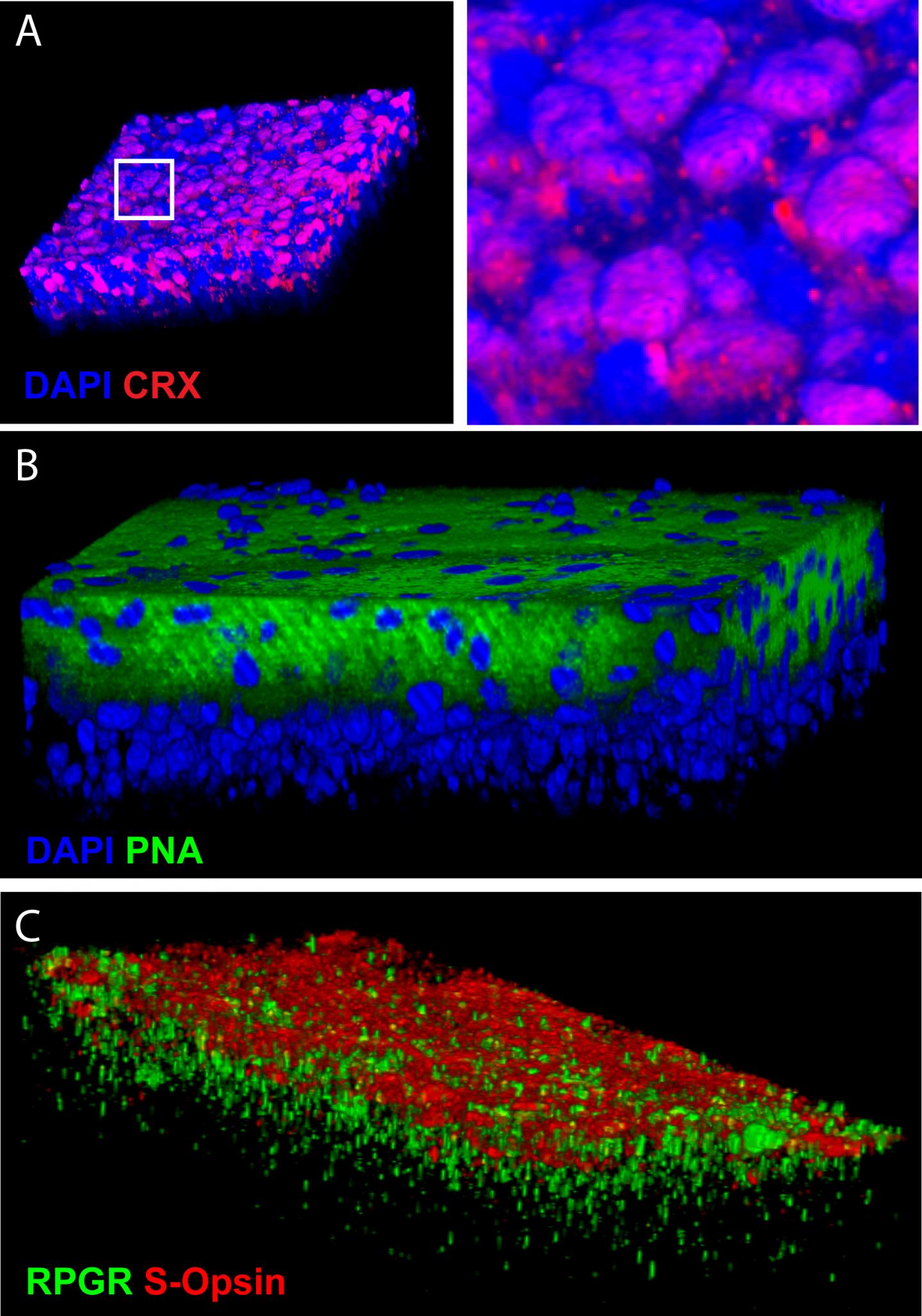
Age-related macular degeneration could be treated by transplanting photoreceptors produced by the directed differentiation of stem cells Age-related macular degeneration (AMRD) could be treated by transplanting photoreceptors produced by the directed differentiation of stem cells, thanks to findings published today by Professor Gilbert Bernier of the University of Montreal and its affiliated Maisonneuve-Rosemont Hospital. ARMD is a common eye problem caused by the loss of cones. Bernier's team has developed a highly effective in vitro technique for producing light sensitive retina cells from human embryonic stem cells. "Our method has the capacity to differentiate 80% of the stem cells into pure cones," Professor Gilbert explained. "Within 45 days, the cones that we allowed to grow towards confluence spontaneously formed organised retinal tissue that was 150 microns thick. This has never been achieved before."
| Full article | 0 Comments | 11583 views |
| Stem Cell Research | September 3, 2015 04:44 PM |
An international team of scientists led from Sweden's Karolinska Institutet has for the first time mapped all the genes that are activated in the first few days of a fertilized human egg. The study, which is being published in the journal Nature Communications, provides an in-depth understanding of early embryonic development in human - and scientists now hope that the results will help finding for example new therapies against infertility.
| Full article | 0 Comments | 6679 views |
| Stem Cell Research | July 31, 2015 05:06 AM |
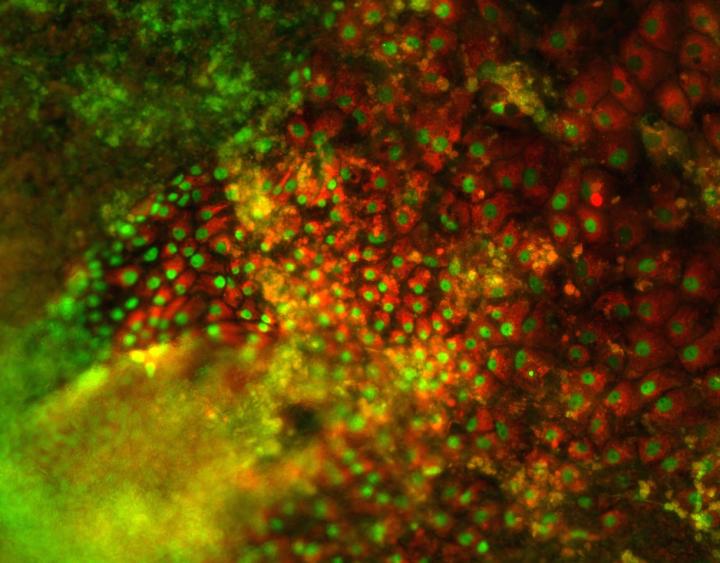
This image shows stem cell-derived hepatocytes emerging. The liver plays a critical role in human metabolism. As the gatekeeper of the digestive track, this massive organ is responsible for drug breakdown and is therefore the first to be injured due to overdose or misuse. Evaluating this drug-induced liver injury is a critical part of pharmaceutical drug discovery and must be carried out on human liver cells. Regretfully, human liver cells, called hepatocytes, are in scarce supply as they can only be isolated from donated organs.
| Full article | 0 Comments | 7322 views |
| Stem Cell Research | July 14, 2015 07:18 PM |
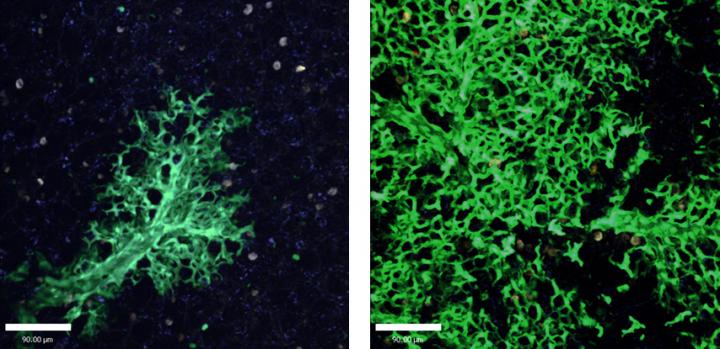
New lung cells are continuously created to replace the damaged ones: Lung tissue six weeks after stem cell transplantation (left) and 16 weeks after transplantation (right). Collectively, such diseases of the airways as emphysema, bronchitis, asthma and cystic fibrosis are the second leading cause of death worldwide. More than 35 million Americans alone suffer from chronic respiratory disease. Weizmann Institute scientists have now proposed a new direction that could, in the future, lead to the development of a method for alleviating some of their suffering. The study's findings, which appeared today in Nature Medicine, show how it might be possible to use embryonic stem cells to repair damaged lung tissue.
| Full article | 0 Comments | 6285 views |
| Stem Cell Research | July 14, 2015 07:18 PM |
Researchers at the University of California, Berkeley, in collaboration with scientists at the Gladstone Institutes, have developed a template for growing beating cardiac tissue from stem cells, creating a system that could serve as a model for early heart development and a drug-screening tool to make pregnancies safer.
| Full article | 0 Comments | 5180 views |
Return to Biology News Net Homepage

- In some genetic cases of microcephaly, stem cells fail to launch
- Yale team discovers how Zika virus causes fetal brain damage
- Scientists uncover the way a common cell enzyme alerts the body to invading bacteria
- Arctic gives clues on worst mass extinction of life
- Calcium channel blockers caught in the act at atomic level
- Flexibility That A.C.A. Lent to Work Force Is Threatened by...International Herald Tribune
- Bacteria Behind Legionnaires’ Disease Found at New York Police StationInternational Herald Tribune
- Prescription Price Crisis? 28 Million Americans See Spike in Drug...MSNBC.com: Health
- Seizing on Opioid Crisis, a Drug Maker Lobbies Hard for...International Herald Tribune
- Republicans are taking a big political risk on health careAP Health News
- Why We're So Divided Over Saving WolvesNational Geographic News
Top Biology News about Stem Cell Research
Biology Articles & News
Last 7 Days
Biology Articles & News
Most popular ever in Stem Cell Research
- In some genetic cases of microcephaly, stem cells fail to launch (57406)
- Pig stem cell transplants: The key to future research into retina treatment (40131)
- Stem cell therapy shows promise for rescuing deteriorating vision (26695)
- Scientists successfully awaken sleeping stem cells (24631)
- Breast stem cells have features similar to 'basal' tumors (21241)
- Gene identified that prevents stem cells from turning cancerous (18862)
- 'Firefly' stem cells may help repair damaged hearts (17620)